How Lender Representative Services Help Protect Financial Stakeholders
How Lender Representative Services Help Protect Financial Stakeholders
Experienced representation and situational awareness critical to risk mitigation.
6
minute read

The best way to improve project outcomes?
Start the conversation early. Book a short call with me and we’ll uncover hidden opportunities for reducing risk and maximizing value.
Why financial stakeholders need independent visibility
Construction financing depends on confidence. Lenders and other financial stakeholders are not on site every day, but their capital is at risk throughout the build. Even well run projects can face issues such as scope gaps, procurement delays, design coordination problems, or contractor capacity challenges. When those risks are not visible early, they can grow quietly until they affect the schedule, the budget, or both.
That is why lender representative services exist. The role provides structured oversight and independent visibility into project health so financial stakeholders can make informed decisions as the project progresses. It is not about slowing the project down. It is about reducing uncertainty and identifying risk before it becomes a problem that is expensive to fix.
David Fields Consulting Services provides lender representative services that include review and monitoring of ongoing progress, risk assessments, schedule reviews, and financial projections to offer independent analysis that helps protect lender interests.
What a construction lender representative actually does
Confirms what is happening on the ground
A construction lender representative helps confirm that reported progress aligns with actual progress. This can include reviewing project updates, verifying that work is advancing as planned, and identifying anything that looks inconsistent with the expected pace or sequence.
This is valuable because construction reporting can sometimes sound positive even when key risks are forming. A lender rep adds an independent perspective that helps financial stakeholders understand what is truly happening.
Reviews schedule health and realistic milestones
Schedules do not fail all at once. They slip in small ways that add up. A delayed submittal approval. A long lead item that arrives late. A sequence conflict that forces rework. These issues may seem manageable individually, but they can push completion dates if they stack up.
Lender representative services include schedule and budget oversight so stakeholders can see whether the project is maintaining its baseline plan and whether changes are being managed with discipline.
Tracks cost signals and financial exposure
One of the most important functions of lender representation is tracking cost risk. Financial stakeholders want to know whether the project is staying within budget, whether contingency is being consumed too quickly, and whether change activity is trending in a way that could threaten completion.
The value is not only in finding problems. It is in noticing patterns early and making sure risks are documented clearly so everyone understands what is happening and why.
Why lender representative services matter even on “strong” projects
Because risk can emerge even with good teams
A strong contractor and design team reduces risk, but it does not eliminate it. Design changes happen. Site conditions surprise. Material availability shifts. Weather affects sequencing. Local approvals take longer than expected. Lender representation helps track these realities and ensure they are reflected in the project narrative.
This is where project risk monitoring becomes useful. It is easier to manage risk when it is visible and understood early.
Because reporting needs to be consistent and comparable
Financial stakeholders often need consistent reporting to support internal decision making. When reports vary in structure or clarity, it becomes harder to compare project status month to month.
Lender representation helps bring consistency so stakeholders can see trends in schedule performance, cost movement, and risk exposure over time.
Because funding decisions require confidence
In many financed projects, funds are released based on documented progress and confidence that the project is still viable. A lender rep supports that confidence by providing an independent view of progress, risk, and forecast.
This supports clean decision making, especially when the project experiences change or schedule pressure.
How lender representation protects stakeholders in practical terms
It reduces surprises
Most financial stress in construction comes from surprise. A sudden budget gap. A major schedule shift. A claim that escalates quickly. The earlier those risks are identified, the more options exist to respond.
A lender rep helps reduce surprises by applying structured review and by making sure risks are not hidden inside overly optimistic updates.
It improves accountability
When risk is documented clearly and reported consistently, accountability increases. Teams tend to be more disciplined when they know progress and risk are being evaluated objectively. This often helps the project run smoother, not harder.
It supports early intervention rather than late correction
Late corrections are expensive. Early intervention is often manageable. If a lender rep identifies a schedule concern early, the team may still have options to resequence work, adjust procurement, or strengthen coordination. If the same issue is discovered months later, the options are usually more limited and more costly.
This is one of the clearest benefits of construction progress review within lender representation.
How lender representation differs from owner representation
The client and the priority are different
The lender representative works for the lender or financial stakeholder. Their priority is protecting financial exposure and ensuring funding decisions are grounded in reality.
Owner representation focuses on delivering the project aligned with the owner’s vision, quality, and operational goals. Both roles may review similar documents, but they serve different interests.
The lender rep does not manage the project day to day
A lender representative typically does not direct contractors, manage design coordination, or drive day to day decisions. Their role is to observe, evaluate, and report. Their influence comes from independent analysis, not operational control.
When lender representative services are most valuable
During early construction and procurement
Early phases often reveal whether the project is truly ready. Procurement lead times, early site progress, and initial coordination behaviors tell you a lot about future performance. Lender representation provides early insight into these signals.
When the project faces changes or uncertainty
Some projects run smoothly until change hits. Scope shifts, budget pressure, or schedule adjustments can create a new risk profile quickly. Lender representation helps stakeholders understand how those changes affect completion confidence and financial projections.
When documentation quality affects build confidence
Documentation issues often drive field changes and cost growth. When documents are unclear or inconsistent, the project becomes vulnerable to rework and disputes.
David Fields Consulting Services supports documentation clarity and constructability through Optstruction, which can help improve certainty by identifying coordination issues before they escalate in the field.
Final thoughts
Financial stakeholders do not need opinions. They need visibility, consistency, and early warning signals. Lender representative services provide that through independent review, progress verification, schedule and budget oversight, and clear risk reporting.
When done well, lender representation supports confident funding decisions and reduces the likelihood of major surprises. It helps protect the financial side of the project while encouraging disciplined execution across the team.
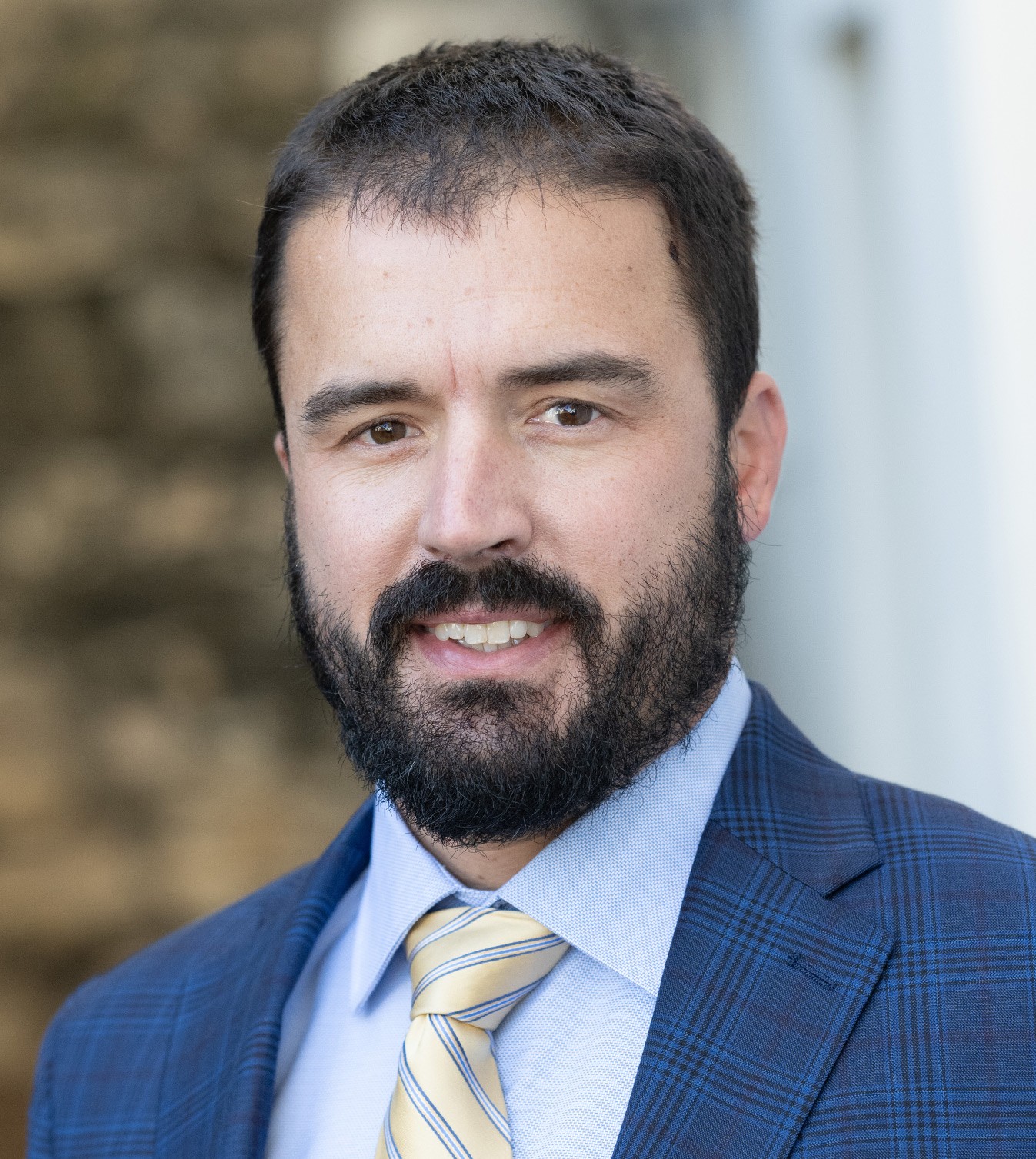
About the Author
David Fields is the founder and CEO of David Fields Consulting Services LLC a Los Angeles based building construction owners representative firm established in 2024. With over 16 years of industry experience, David has held strategic roles with major general contractors and real estate developers leading complex and technical projects including Hotel, Multi-Family, Luxury Condo, Data Center, Office, and Transportation Projects. David is a licensed California Class B General Contractor and holds a bachelor’s degree in Construction Engineering from Purdue University.