The Role of Feasibility Studies and Pre Construction Planning in Project Success
The Role of Feasibility Studies and Pre Construction Planning in Project Success
Early due diligence key to achieving successful project outcomes.
7
minute read
The best way to improve project outcomes?
Start the conversation early. Book a short call with me and we’ll uncover hidden opportunities for reducing risk and maximizing value.
Why projects succeed or fail before construction starts
Most construction problems do not begin in the field. They begin earlier, when assumptions are vague, scope is still shifting, and teams are forced to make decisions without a clear plan. When a project struggles later, the root cause is often a weak foundation in the early stages.
A construction feasibility study and strong pre construction planning are how owners turn uncertainty into a workable plan. These steps help answer the questions that matter most before major money is committed. What are we building? What will it realistically cost? How long will it take? What risks could change those answers. And what decisions must happen early to keep the project on track.
David Fields Consulting Services supports owners during feasibility and pre construction by helping structure the project approach, align the team early, and improve confidence in cost and schedule before construction begins.
What a construction feasibility study actually does
Confirms whether the project is viable
A feasibility study is not a formality. It is a practical checkpoint that helps owners determine whether the project makes sense under real constraints. Those constraints might include site conditions, permitting requirements, logistics, budget limits, schedule goals, and operational needs.
The goal is not perfection. The goal is clarity. A strong feasibility process helps reduce the number of unknowns that can derail the project later.
Defines scope in a way teams can price and schedule
Many projects start with broad goals. That is normal. The challenge is turning those goals into a defined scope that can be estimated and scheduled responsibly.
A feasibility study supports project feasibility by documenting what the project includes, what it excludes, and what decisions are still open. That scope clarity is the difference between early estimates that are useful and early estimates that become misleading.
Identifies major constraints early
Constraints show up in every project. Zoning and permitting timelines. Utility access. Site access and staging limitations. Long lead materials. Local market capacity. These constraints affect cost and schedule whether people acknowledge them or not.
A feasibility study brings constraints into the open early, so the project can be planned around them instead of being surprised by them later.
Why pre construction planning is where risk gets reduced
Pre construction turns assumptions into a plan
If feasibility answers whether the project is viable, pre construction planning answers how the project will be delivered. This is where the project execution strategy takes shape.
Pre construction planning typically includes baseline schedule planning, procurement approach, logistics thinking, early coordination, and aligning project stakeholders around the plan. It is where uncertainty gets narrowed down into a path forward.
Budget and schedule forecasting becomes realistic
Owners often want a firm budget and schedule commitment early. The truth is that early answers depend on assumptions. Pre construction planning strengthens those assumptions by turning them into trackable inputs.
Better budget and schedule forecasting comes from understanding scope, sequencing, procurement lead times, and site logistics, not from optimism.
David Fields Consutling Services supports owners through pre construction services that help develop execution plans, guide procurement, and build better baseline schedules and cost confidence.
Risk assessment becomes practical, not theoretical
Many teams talk about risk, but the value is in making risk actionable. A practical risk assessment identifies what could go wrong, how likely it is, and what can be done early to reduce the impact.
Pre construction is the best time for this because you still have options. Once construction starts, many options become expensive.
Key outcomes feasibility and pre construction deliver for owners
Better decision making with fewer surprises
Owners have to make decisions that affect the entire project. Design direction, delivery method, team selection, early scope priorities. When feasibility and pre construction are done properly, owners make those decisions with more complete information.
That reduces the chance of major surprises later, such as sudden cost increases or schedule slippage that could have been anticipated.
Cleaner procurement and stronger bids
When the project enters procurement with unclear drawings or unresolved decisions, contractors price risk. That often shows up as higher bids, more exclusions, or more change activity later.
Feasibility and pre construction planning help improve bid clarity by improving scope definition and early coordination. The result is often a more competitive procurement environment and cleaner execution.
Less rework and fewer field conflicts
Field conflicts often come from documentation gaps, coordination issues, or unclear intent. When teams invest in early planning and review, many of these issues are discovered sooner.
David Fields Consulting Services also provides Optstruction, which supports constructability focused review to improve documentation quality and reduce coordination issues before they become field problems.
The connection between feasibility, planning, and project delivery success
Feasibility supports confidence
A feasibility study strengthens confidence that the project is viable and that the plan is grounded in reality.
Planning supports execution
Pre construction planning strengthens execution by aligning the team, building realistic schedules, improving budget forecasting, and turning risk into action.
Together they reduce expensive change
Change is not always bad, but uncontrolled change is costly. Most uncontrolled change comes from early uncertainty that was never resolved.
Feasibility and pre construction do not eliminate change. They reduce the frequency of change and improve how change is managed.
Common mistakes owners should avoid
Skipping feasibility because the project feels urgent
Urgency creates pressure to move quickly, but skipping feasibility often leads to delays later. The project may move faster in week one and lose months later.
Treating pre construction as a short administrative phase
Pre construction is not a formality. It is the stage where the project is shaped. Under investing here often leads to over spending later.
Assuming the team will “figure it out” in the field
Field problem solving is expensive. Pre planning is cheaper. A project that depends on field improvisation is usually a project that experiences delays and cost growth.
Final thoughts
The success of a project is heavily influenced by what happens before construction begins. A strong construction feasibility study clarifies viability, constraints, and scope. Strong pre construction planning turns those answers into a deliverable strategy with realistic budgets, schedules, and risk controls.
Owners who invest early typically gain confidence, reduce surprises, and improve execution. It is one of the most reliable ways to protect budget, protect schedule, and deliver a project that matches the original intent.
About the Author
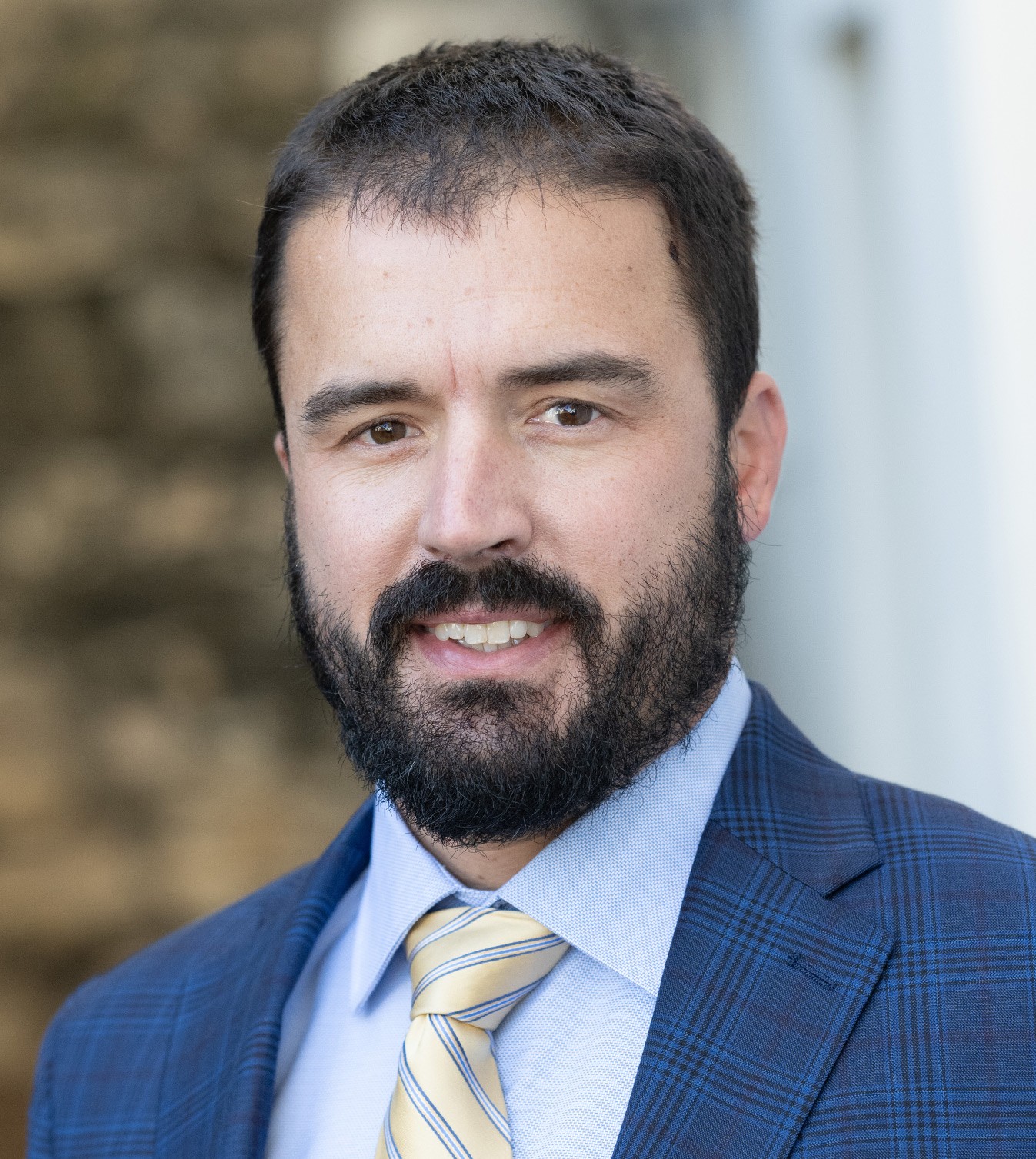
David Fields is the founder and CEO of David Fields Consulting Services LLC a Los Angeles based building construction owners representative firm established in 2024. With over 16 years of industry experience, David has held strategic roles with major general contractors and real estate developers leading complex and technical projects including Hotel, Multi-Family, Luxury Condo, Data Center, Office, and Transportation Projects. David is a licensed California Class B General Contractor and holds a bachelor’s degree in Construction Engineering from Purdue University.