Why an Owner’s Representative Is Essential for Successful Project Delivery
Why an Owner’s Representative Is Essential for Successful Project Delivery
Explore how Owner's benefit from structured oversight on their building development projects.
5
minute read
The best way to improve project outcomes?
Start the conversation early. Book a short call with me and we’ll uncover hidden opportunities for reducing risk and maximizing value.
Why owners need real support during project delivery
Construction projects are full of moving parts, and most owners are not set up to manage them day to day. Even experienced developers can get pulled into the weeds when timelines tighten and decisions stack up. That is where an owner’s representative becomes essential.
An owner’s representative is not a nice to have role. It is often the difference between a project that stays controlled and a project that becomes reactive. The goal is not to replace the design team or contractor. The goal is to represent the owner’s interests consistently and keep the project aligned with the owner’s priorities.
David Fields Consulting Services supports owners through strategic guidance and oversight that helps keep projects on schedule, within budget, and aligned with the owner’s vision across planning, design, and construction.
What an owner’s representative actually does
Aligns the team around the owner’s priorities
Every project has competing pressures. Budget targets, design goals, schedule milestones, and stakeholder expectations. Without a single point of owner focused leadership, projects can drift. An owner’s representative anchors the team by clarifying what matters most and ensuring decisions stay aligned to those priorities.
This is especially important when the project includes multiple stakeholders or complex approvals. A project can lose weeks simply because no one is driving alignment across the full team.
Keeps decision making moving
Most delays are not caused by construction. They are caused by slow decisions. Submittals sit. RFIs pile up. Questions go unanswered. The project pauses while people wait for direction.
An owner’s representative helps prevent these slowdowns by managing decision timelines, coordinating information, and ensuring the owner receives clear options instead of confusing technical noise. This directly improves project delivery because the field stays productive and the schedule stays realistic.
Improves coordination across design and construction
Design and construction are connected, but many teams still operate in silos. That is where problems grow. A change in one scope impacts another. A detail that seems minor becomes a site issue. Misalignment becomes rework.
An owner’s representative helps manage those connections. They ask the questions that surface conflicts early. They push for clarity before the project reaches the field. This supports better construction management because issues are addressed when they are cheaper and easier to solve.
The benefits owners feel when an owner’s rep is involved
Better schedule control
Schedules slip when milestones are not tracked tightly and dependencies are not managed. Owners often see schedule issues too late, after delays already occurred.
An owner’s representative helps maintain schedule control by tracking key milestones, driving accountability, and keeping the plan realistic as conditions change. This supports early course correction rather than late panic.
Better cost control with fewer surprises
Cost issues often come from unclear scope, incomplete coordination, and late design changes. When owners are not represented strongly, changes can slip in without proper evaluation, and costs climb quietly until the budget is already strained.
An owner’s representative helps owners understand the cost impact of decisions before they are made. That is a critical part of risk mitigation. It does not mean costs never change. It means changes are visible, explained, and controlled.
Better quality outcomes
Quality issues often come from rushing, unclear documentation, or miscommunication between trades. Owners may assume quality is handled automatically, but it requires oversight.
An owner’s representative keeps attention on quality by maintaining clear expectations, supporting good documentation habits, and ensuring that closeout is not treated as an afterthought.
Where projects commonly fail without an owner’s representative
Too many stakeholders and no clear owner voice
When owners rely on fragmented input from different parties, the project loses direction. One person wants speed. Another wants cost reduction. Another wants premium finishes. Without a single owner focused voice guiding priorities, decisions become inconsistent.
An owner’s representative helps the owner communicate consistently and keep the team aligned around what the owner actually wants.
Lack of visibility into risk
Projects carry risks in budget, schedule, documentation, procurement, and execution. When risks are not tracked, they become surprises. Surprises create stress, cost, and conflict.
Owner representation supports better visibility and better decisions. This is one of the most practical ways to reduce risk throughout the project.
Pre construction planning gets rushed
Strong pre construction planning is where many problems are prevented. If pre construction is rushed, the project enters construction with incomplete clarity.
David Fields Consulting Services offers feasibility and pre construction phase support to help owners build a solid project plan, align teams early, and improve schedule and cost confidence before construction begins.
How owner representation supports the full lifecycle
Early planning and feasibility alignment
At the early stage, owners need clarity. Scope, schedule, budgeting assumptions, team selection, and execution approach. Owner representation helps structure these decisions so the project starts with a clear plan rather than vague optimism.
Design coordination and document readiness
Design is where problems are either prevented or created. Owner representation keeps design coordination focused on buildability, clarity, and alignment with the owner’s goals.
David Fields Consulting Services also provides Optstruction, a constructability focused review approach that supports better documentation quality and reduces coordination issues before they reach the field.
Construction oversight and closeout discipline
During construction, owner representation helps ensure that progress stays aligned, decisions are timely, and issues are resolved rather than delayed. Closeout is also managed with discipline so the owner is not left with incomplete turnover, missing documentation, or unresolved issues.
Final thoughts
A construction project is too complex to manage through occasional check ins. Owners need steady, informed representation that protects priorities, reduces risk, and keeps the team aligned. That is why an owner’s representative is essential for successful project delivery.
When owner representation is strong, projects feel calmer. Decisions happen faster. Risks are surfaced earlier. The work moves forward with clarity instead of confusion. And the final result is far more likely to match what the owner intended from the start.
About the Author
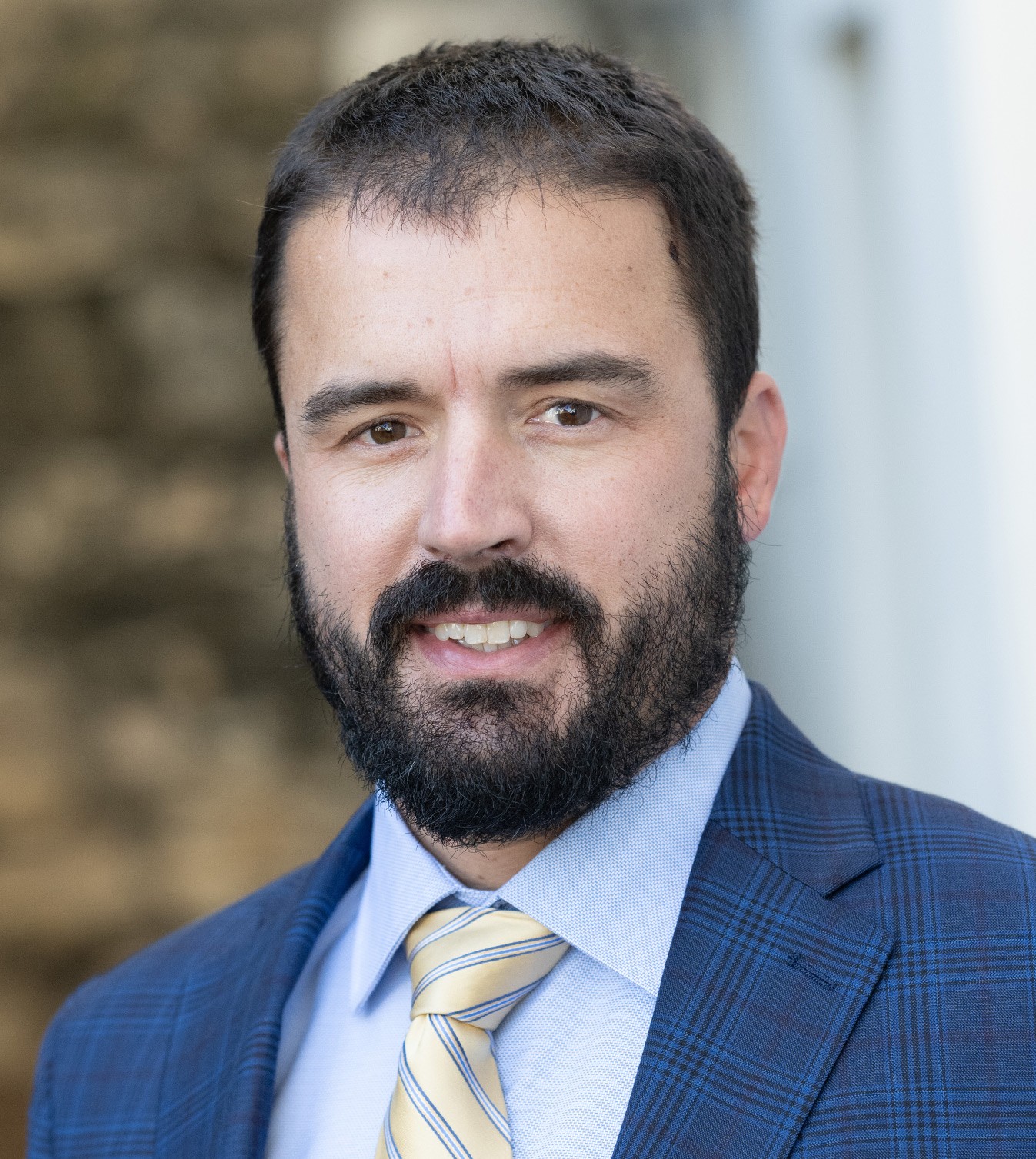
David Fields is the founder and CEO of David Fields Consulting Services LLC a Los Angeles based building construction owners representative firm established in 2024. With over 16 years of industry experience, David has held strategic roles with major general contractors and real estate developers leading complex and technical projects including Hotel, Multi-Family, Luxury Condo, Data Center, Office, and Transportation Projects. David is a licensed California Class B General Contractor and holds a bachelor’s degree in Construction Engineering from Purdue University.